

What is the DIALEX study?
DIALEX stands for DIALysis with EXpanded solute removal. It is a large research study designed by kidney specialists, researchers, and people with lived experience, being done to improve the health of people on hemodialysis.
While dialysis is a life-saving treatment that removes wastes when kidneys fail, many patients still experience symptoms like fatigue, itch, and poor appetite. There is also a higher risk of hospital stays for infections or heart problems. The DIALEX study will determine if using a newer type of dialysis filter can help people live longer, healthier lives with fewer symptoms.
What is a dialysis filter?
A dialysis filter, also known as a dialyzer, functions as an artificial kidney during hemodialysis treatments. It is a tube connected to the hemodialysis machine through which blood flows. The filter removes waste products and toxins from the bloodstream. Each filter is used once and then discarded. This study compares two types of filters that are approved for use in Canada.
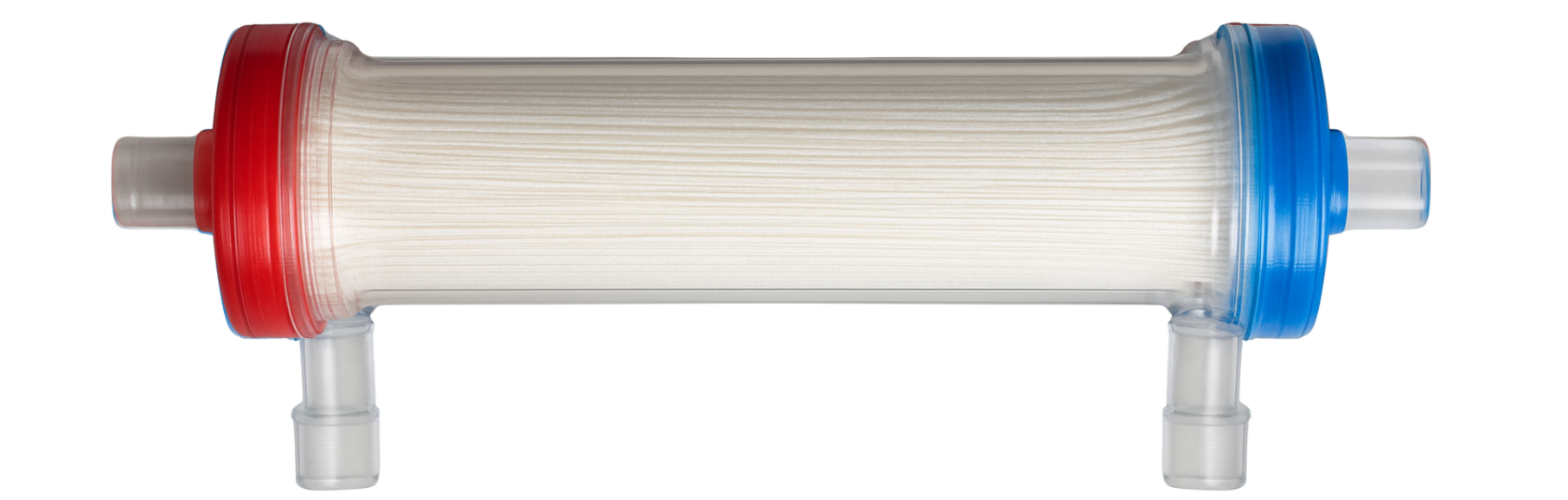
Commonly used filter
(High-Flux)
Used in most facilities, removes some waste products.
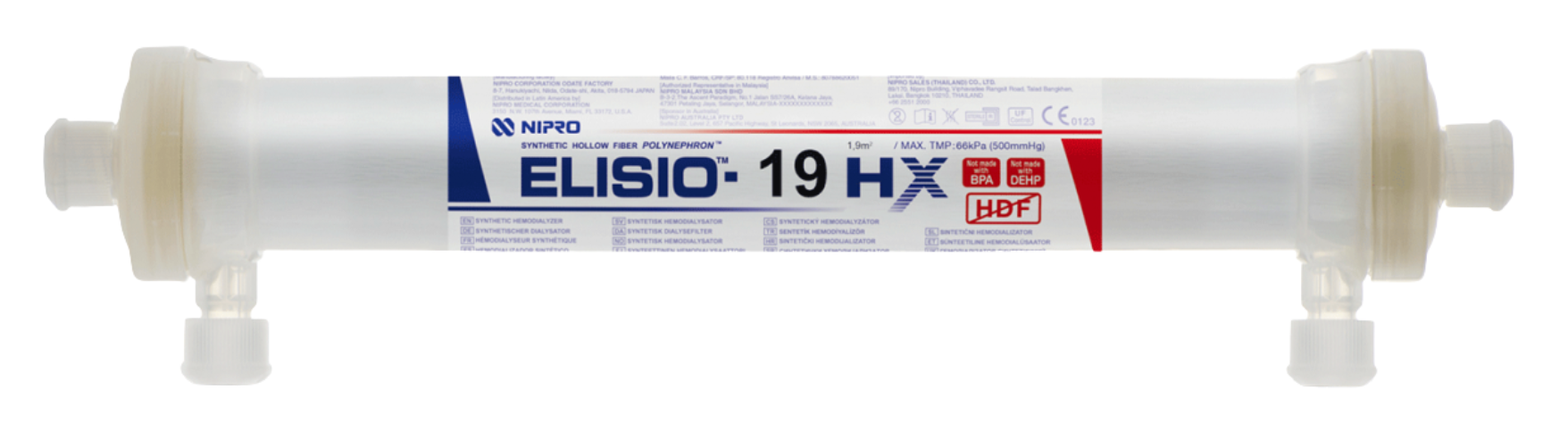
Filter with larger pores
(Super High-Flux / Expanded Hemodialysis)
Used in some facilities, designed to remove more and larger waste products.
Participants in the DIALEX study will be assigned by random chance to receive one of these two filter types during their regular dialysis sessions. This random assignment allows researchers to learn if one type of filter improves health more than the other over the long term.
Frequently Asked Questions
You may be eligible to participate if your dialysis unit is one of the many across Canada involved in the study and you meet certain key criteria. Generally, this means receiving hemodialysis at least three times a week and having been on dialysis for at least 90 days. A valid health card is also required, and your dialysis doctor or nurse practitioner must agree that the study is suitable for you.
The study is open to people 60 years or older, as well as those 45 to 59 with a history of diabetes. Your care team will help determine if participation is appropriate.
If you qualify, you will receive a handout explaining the study and time to consider your involvement. If you receive this handout and do not specifically tell your dialysis team that you do not want to participate, you will automatically be included in the study.
After receiving the study handout, you have 14 days to opt out before the study begins and you are automatically enrolled. To opt out, simply tell your nurse or doctor and return the handout with the opt-out section completed on the back. You can also choose to stop participating at any time during the study. Deciding to opt out or stop will not affect your care or your relationship with the healthcare team in any way.
All that is needed is to keep attending your usual dialysis sessions. Eligible participants will be randomly assigned to one of the two approved dialysis filter types. Treatment times will stay the same. No extra appointments or tests are required. The study will run for several years, and the results will be made publicly available.
No. We hope that (but do not yet know if) the newer filters will keep people healthier for a longer time and better health might help with transplantation, but simply participating in the study will not change how patients are evaluated for a transplant or how long they wait.
No. Your treatment times will stay the same.
No extra appointments or tests are required.
This study is considered minimal risk, which means it is not expected to be any riskier than your regular dialysis care. Both filters used in the study are already approved by Health Canada and are safely used in dialysis units across the country. In fact, dialysis units often switch between filters for non-medical reasons—like cost or supply—so being assigned to one or the other in this study is not unusual or risky.
Taking part in this study may offer benefits if the filter with larger pores leads to better health than the more commonly used filter. It may also provide access to the newer filter if it is not otherwise offered at your dialysis unit.
It is important to know that while some patients may experience benefits, participation does not guarantee better health. Even if there is no direct benefit to you, your participation will help researchers gather important information that can improve dialysis care for others. The results of the study will help doctors and patients make more informed choices about dialysis treatment in the future.
Protecting privacy is a top priority. The study uses information already collected during routine care. Your health card number is securely used to link health records—such as hospital data—without sharing your name with the central study team. All information is kept confidential, and any study results are published in a way that no individual person can ever be identified.
You can speak with your dialysis nurse or doctor at any time if you have questions or concerns. You may also contact the local study team—contact details are provided on the handout you received.
You can learn more about this study by visiting https://clinicaltrials.gov/study/NCT06660277.